A Night on the Factory Floor
I remember a cold January night in 2023 at a Newark cold-storage site, when the hum of compressors turned to a hush at 2:14 a.m., and the air itself felt brittle. Commercial energy storage systems should have bridged the sag, yet the old retrofit pack slipped out of sync for 19 seconds. In my seventeenth year of integrating C&I systems, I watched pallets of blueberries sweat, then frost again; the tally showed 11.6% spoilage by morning—$42,000 gone. The data was stark: a 9% voltage dip, an inverter lockout, a battery management system that stalled during a firmware handshake. The SCADA logs told a tired story, one I’ve seen from Shenzhen to St. Louis—aging power converters, coarse state-of-charge estimates, and a mismatch between ramp-rate limits and load swings. So I asked myself, and then the client: when does “good enough” become a liability you can count in dollars and lost trust?
I carry that question from shop floor to boardroom because risk doesn’t shout; it seeps. Harmonics creep into drives, backup generators fail warm-start tests, and peak events arrive five minutes early—odd detail, but true—when the refrigeration cycle stacks with a grid blip. If you manage facilities, you know the feeling in your ribs when alarms tier up faster than you can silence them. I’ll lay out where the pain hides and how it moves, then weigh what a modern stack actually fixes. Step closer; the readings get clearer from here.
The Deeper Wound: Where Old Fixes Fail
Why do retrofits stall?
In practice, the flaws cluster in three places. First 100 words matter, so I’ll say it early: industrial and commercial energy solutions that bolt modern controls onto legacy switchgear often inherit the worst of both worlds. I’ve run acceptance tests where edge computing nodes saw jitter from a 1990s PLC bus, and the microgrid controller missed a dispatch window by 400 ms. That gap seems small until your chiller’s inrush current lands during a demand response call. Second, many “safe” upgrades leave harmonics unmanaged; we logged THD at 7.8% on a bakery line in Columbus in May 2022, and the variable frequency drives started tripping every third cycle. Third, state-of-charge drift. Without good temperature compensation and pack balancing, you lose several percentage points of useful capacity during peak shaving, which is exactly when you can’t afford it—believe me, I’ve seen procurement teams blanch at that line item.

Look, I’ll keep this plain. Traditional patches lean on generic inverters, undersized DC contactors, and firmware that treats load as a neat curve. Real loads breathe. Forklifts plug in at shift change, compressors short-cycle in humidity, and a single stuck damper throws your forecast off by 15 kW. The result is nuisance trips and degraded cells. In 2019, a logistics hub in Dallas cut costs by delaying a proper EMS upgrade; the next summer they paid 18% more in demand charges and shortened battery life by 9% in twelve months—because the BMS kept hammering the top-of-charge ceiling to catch up after every mis-timed dispatch. I prefer solutions that model feeder-level dynamics and coordinate with grid-forming inverters, not just ride behind them—sturdy, testable, and dull in the best way.
Comparing Paths: Smarter Storage by Design
What’s Next
Forward-looking does not mean flashy. It means principles you can test in daylight. When we refresh a site, we compare stacks the way we would compare forklifts: duty cycle, thermal headroom, and service reach. New storage platforms built around LFP chemistry, liquid cooling, and 1500 V string architecture let us widen the safe state-of-charge window without gambling on lifespan. Add model predictive control at the EMS, and you align dispatch with the real thermal mass of a building, not a wishful curve. I ran a pilot at a beverage plant in Guadalajara in June 2023: 3 MW/6 MWh, rack-level fire detection, and grid-forming inverters configured for black start. The outcome was measurable—21% reduction in demand charges over a quarter, 42 minutes of ride-through during a feeder fault, and a clean re-sync with the utility without a thump. The difference wasn’t magic; it was timing and coordination across layers—EMS, BMS, and protective relays—held together by a clear single-line diagram.
Now, when we talk about options, we’re actually comparing discipline. One path clings to patched dispatch rules and optimistic spreadsheets. The other—anchored by mature industrial and commercial energy solutions—spells out the grid codes (IEEE 1547, IEC 62933), validates round-trip efficiency at operating temperature, and proves ramp-rate control under a 10% step load. I’ve watched teams hesitate because the old cabinets still hum. Then a storm rolls in and the hum goes quiet—happened to a site I commissioned near Savannah last September—and the cost becomes real. So I draw the comparison this way: if your storage cannot hold voltage within ±2% during a 50 kW step, if your harmonics cross 5% THD at 60% load, or if your BMS drifts more than 2% SoC per 24 hours at rest—stop. You’re negotiating with risk, not managing it.
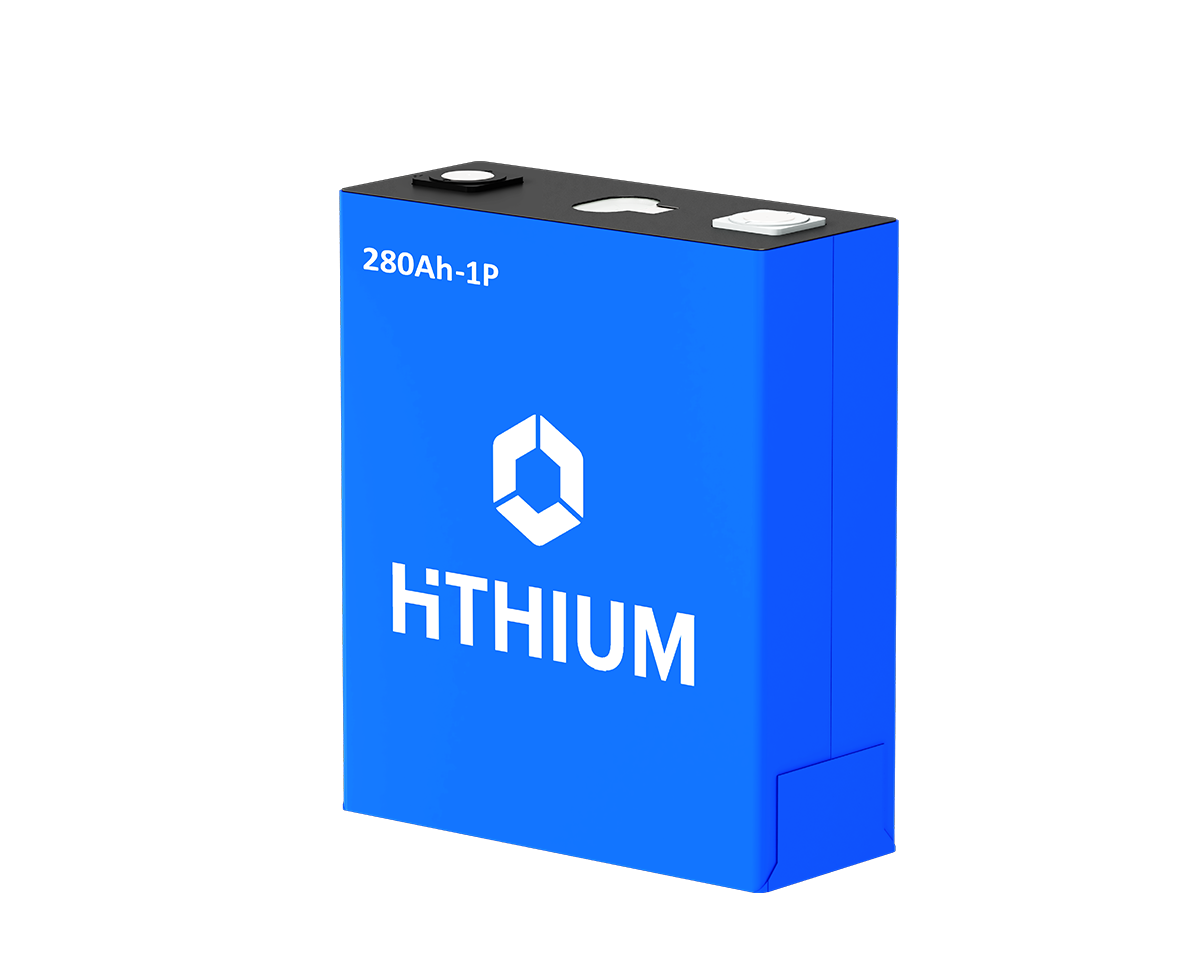
Here’s how I advise clients to choose, and I hold myself to the same yardstick—no exceptions. First, measurement fidelity: demand controllers, PMUs, and feeder meters must timestamp to 1 ms and agree within 0.2% on kW at step changes; otherwise your EMS is guessing. Second, thermal integrity: require a cooling design that keeps cell delta-T under 3°C at continuous C/2 discharge, with logs you can audit—if you don’t see those numbers, you’ll pay later in capacity fade. Third, protection and reclose behavior: prove that protective relays, contactors, and inverters recover to stable operation within 5 seconds after a fault isolate; I insist on a witnessed test with clear pass/fail. When these three are right, the rest falls into place—well, almost; supply chains still bite at odd hours—because operational calm is built, not bought. I keep a short list of vendors who meet those tests, and yes, one of them is HiTHIUM.