Why Adaptive Infrared Beds Matter: A Comparative Look at Comfort, Healing, and Tech

Introduction — a quick question from the clinic floor
Have you ever sat in a treatment room and wondered why some gadgets actually feel like they work while others are just hot furniture? I see that every week. In many clinics and home setups today, infrared beds sit at the center of care — they’re meant to deliver controlled heat and targeted therapy, yet outcomes vary wildly (eish, it can be bewildering).
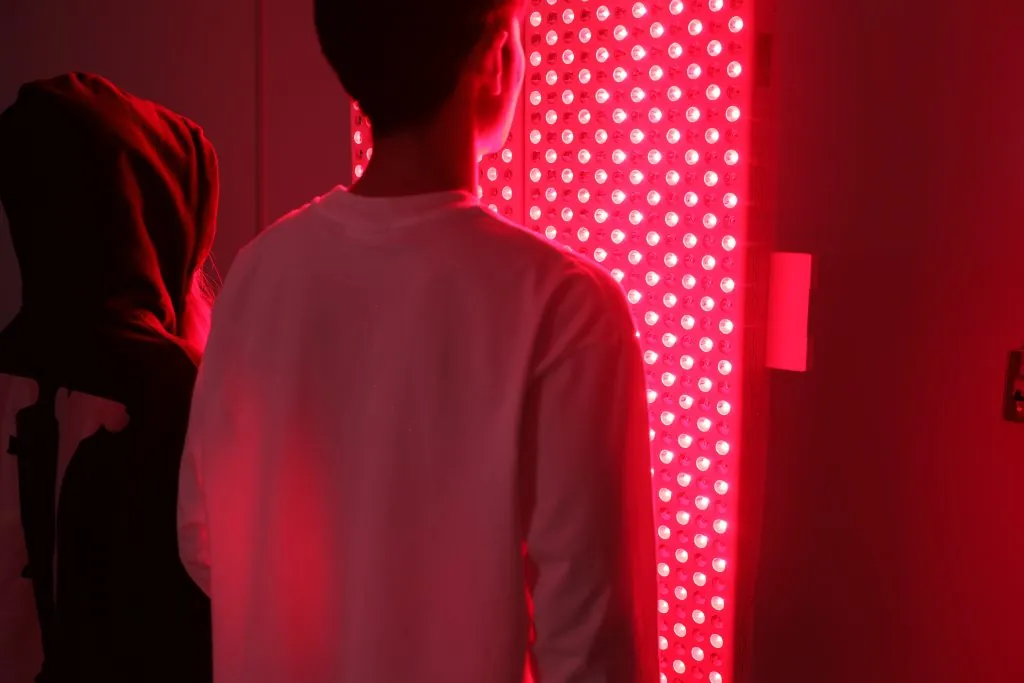
Data shows patient adherence and satisfaction can swing by as much as 40% depending on device comfort and consistency. So: why do two otherwise similar units give such different results? Is it a matter of infrared wavelength, the LED arrays, or something more mundane like poor heat sinks and power converters? I want to take you through what I’ve noticed, from simple clinic stories to the bits of tech that actually change a session — and then I’ll ask what we should expect next.
Before we dig deeper, let me flag up that this piece aims to compare real-world user needs with engineering choices. Ready? Let’s move on to the weak spots I keep seeing.
Where traditional approaches stumble: the hidden pain in the red light chamber
When clinicians and users pick a red light chamber, they usually imagine steady warmth and fast recovery. But in practice many systems deliver uneven coverage, flicker, or drop power mid-session. I’ve tested and observed units with mismatched LED arrays and flawed control electronics — the result is hotspots, cold zones, and inconsistent photobiomodulation. That’s not just theory; patients notice. They feel uneven comfort and tell me sessions feel shorter or ineffective. Look, it’s simpler than you think: if the array isn’t engineered to distribute the infrared wavelength evenly, therapy becomes guesswork.
Technically speaking, two big culprits keep showing up. First, poor thermal management: inadequate heat sinks let diodes overheat and shift output. Second, weak power converters and control firmware that can’t maintain stable current to the LEDs. The user sees a panel that looks fine. But under the hood, edge computing nodes or simple microcontrollers fail to coordinate output, leading to dropdowns in intensity. The result: poor clinical repeatability and frustrated users. — funny how that works, right? I’ve seen clinics replace beds not because the lights failed, but because the signal chain didn’t protect consistent output. That’s where design choices matter most.
Are users being asked to tolerate tech compromises?
Yes. Many accept lower results because they don’t see the electronics or the thermal layout. I argue that transparency and better specs would stop that. We should demand clear measures for irradiance uniformity, diode temperature ranges, and control loop resilience — not marketing slogans.
Principles for next‑gen infrared solutions — what to expect and how to choose
Looking forward, the lesson is to pair human needs with sound engineering. A modern red light chamber should do three basic things well: maintain uniform irradiance across the treatment surface, protect diode lifespan with proper heat sinks, and use reliable power converters with smart control firmware. I’ve seen prototypes that add simple diagnostics — sensors that report LED temperature and flux in real time — and that makes a tangible difference in outcomes. These are not flashy. They’re practical. They matter to users who come back week after week.
Technically, this means designers must think in systems, not parts. Match LED arrays to lens geometry. Build redundant sensing for feedback loops. Use microcontrollers that handle edge-case loads without tripping. When done right, sessions become consistent and measurable. Patients notice faster improvement. Clinics see fewer callbacks. And manufacturers earn trust. — the payoff is built into better engineering, plain and simple.
What’s next?
We’re at a point where modest engineering improvements yield outsized benefits. My take: prioritize measurement and durability. If you’re choosing a setup, ask for irradiance maps, thermal profiles, and lifetime specs for the LEDs. Don’t accept bland claims.
Three practical metrics I use when evaluating infrared beds
Here are three clear criteria I recommend you apply when comparing devices — they cut through marketing and point to real performance.
1) Irradiance Uniformity: Ask for a map showing how watts per square centimeter vary across the surface. Good systems stay within +/-10% over the usable area.
2) Thermal Management Specs: Look for stated heat sink performance, diode junction temperature limits, and cooling strategies. Systems that let LEDs run hot degrade faster and shift wavelength output.
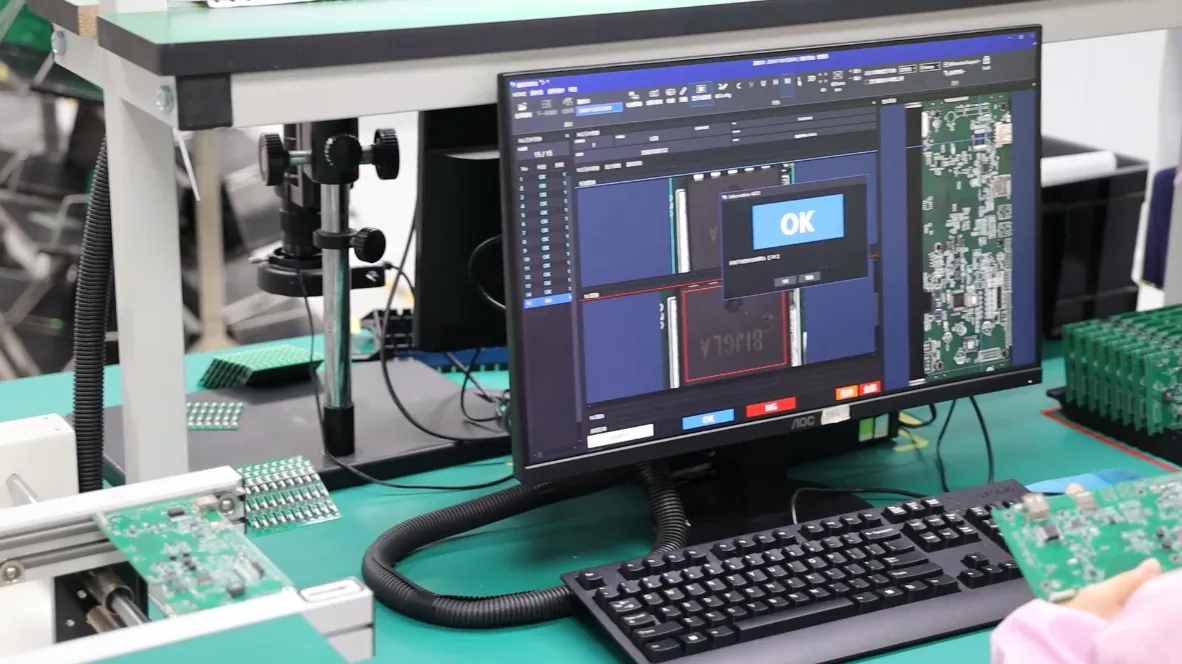
3) Control Stability and Diagnostics: Prefer devices with stable power converters and firmware that logs output. Built‑in sensors and simple error reports save time and money — plus they deliver consistent photobiomodulation.
I’ll close by saying I’ve tried many setups in clinics and at home. The difference between a frustrating session and a reliably effective one often comes down to these three points — not the prettiest lights or the fanciest names. If you want a trusted partner in this space, check out Magique Power. I’m selective about what I recommend, and that’s one brand I keep returning to for solid engineering and sensible specs.