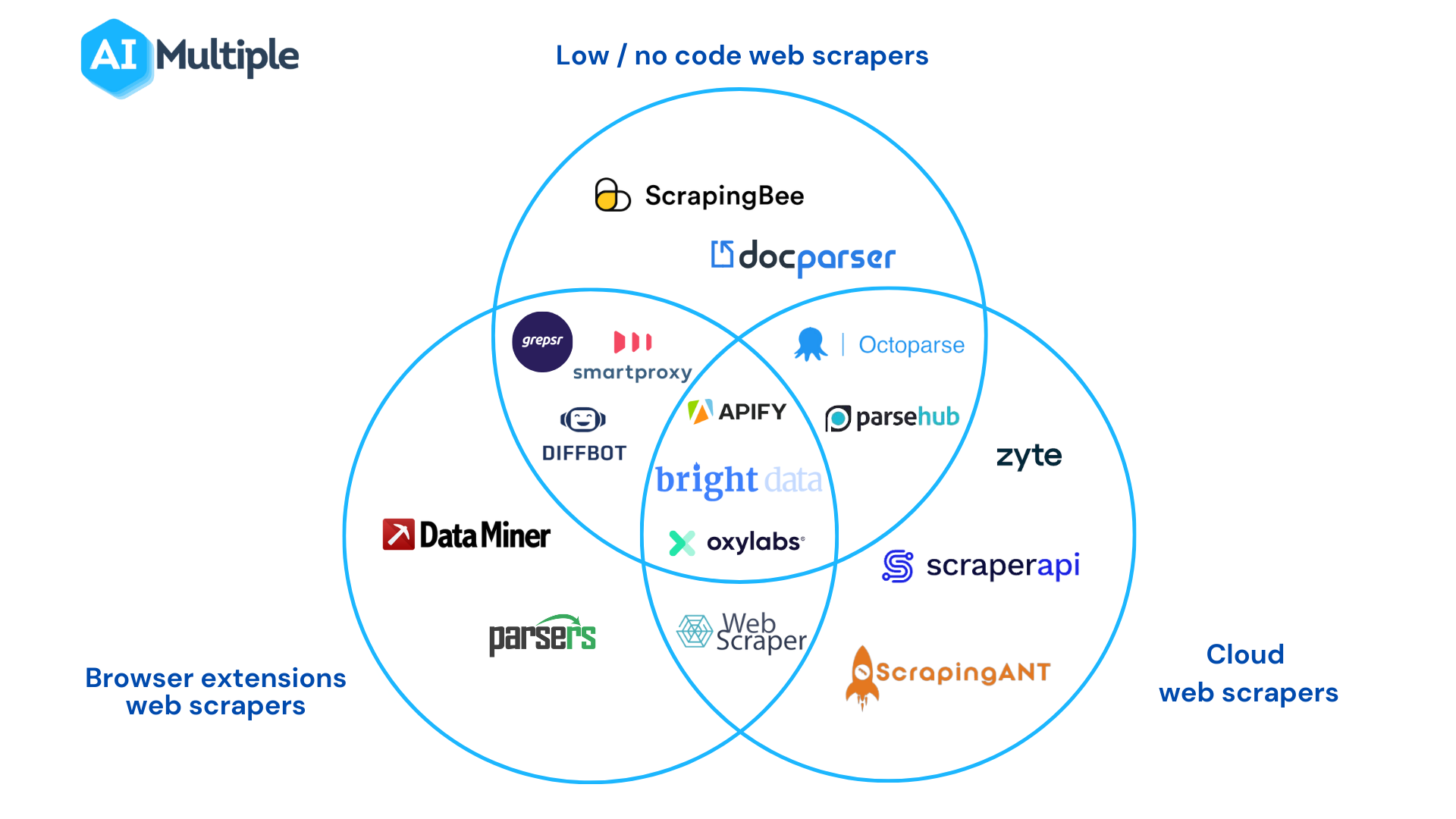
In the modern business landscape, data is one of the most valuable assets for decision-making, and business intelligence (BI) tools are crucial in turning raw data into actionable insights. However, gathering relevant data can be time-consuming web change monitor and resource-intensive, especially when it comes from multiple online sources. Web scraping tools offer an efficient and cost-effective solution for businesses looking to extract vast amounts of data from websites, enabling them to enhance their business intelligence. In this article, we’ll explore how web scraping tools can significantly boost your BI efforts and help you stay ahead of the competition.
1. Automating Data Collection for Real-Time Insights
One of the primary advantages of using web scraping tools in business intelligence is the ability to automate the collection of data from various online sources. Instead of manually gathering data from websites, social media platforms, news articles, or e-commerce sites, web scraping tools can continuously monitor and extract real-time information. This automation not only saves time and reduces human error but also ensures that the data you collect is up-to-date. By pulling real-time data from multiple sources, you can monitor key performance indicators (KPIs) such as market trends, competitor pricing, and customer sentiment, giving you a competitive edge in fast-moving industries.
2. Enhancing Market Research and Competitive Analysis
Web scraping tools are indispensable when it comes to market research and competitive analysis. Scraping competitor websites, online marketplaces, and product listings provides businesses with valuable data about pricing strategies, product offerings, valentines gifts and customer feedback. For example, if you’re in the retail or e-commerce industry, you can use web scraping to track your competitors’ prices, promotions, and new product launches. This data can be used to adjust your pricing models, improve your product lineup, and identify market gaps. Additionally, web scraping allows businesses to aggregate data from review sites and social media platforms, helping to identify customer pain points and preferences, which can be leveraged to develop better products and services.
3. Gathering Customer Insights for Personalization
Customer data is a key driver of business intelligence, and web scraping can help businesses gather valuable insights about their target audience. By scraping reviews, feedback, and social media conversations, companies can identify patterns in customer behavior, preferences, and opinions. This data can be used to improve product offerings, create personalized marketing campaigns, and optimize customer experiences. For instance, scraping customer reviews from e-commerce platforms allows businesses to see what features are most valued or disliked by customers, helping you fine-tune your product strategy. With these insights, businesses can create more targeted marketing initiatives, increase customer satisfaction, and improve overall engagement.
4. Aggregating Data for Advanced Analytics
Web scraping tools allow businesses to collect large volumes of structured and unstructured data, which can be used for advanced analytics and reporting. By scraping data from multiple online sources, such as news sites, blogs, and industry forums, companies can gain a comprehensive view of the market, including emerging trends, sentiment shifts, and industry developments. This aggregated data can be fed into BI platforms for deeper analysis, providing businesses with actionable insights that support strategic decision-making. For example, by scraping data from financial news sources and stock market websites, businesses can identify potential market fluctuations and forecast trends in real-time, enabling more informed investment and business strategies.
5. Improving Decision-Making and Strategy Development
With the real-time, competitive, and customer data gathered through web scraping, businesses can make more informed decisions that are backed by concrete insights. Whether you’re adjusting marketing campaigns, modifying product offerings, or exploring new business opportunities, web scraping tools help you base decisions on the most accurate and up-to-date information available. The ability to continuously gather and analyze data also allows for more agile decision-making, ensuring that your business can respond quickly to changes in the market, customer preferences, or industry regulations. As a result, companies that leverage web scraping for business intelligence are better equipped to develop data-driven strategies, reduce risks, and stay ahead of the competition.
Conclusion
Web scraping tools have become an invaluable asset for businesses looking to enhance their business intelligence capabilities. By automating data collection, enhancing market research, gaining customer insights, aggregating data for analytics, and improving decision-making, businesses can gain a competitive advantage in their industries. As data-driven insights continue to play a central role in strategic planning, web scraping offers an efficient and effective way to access and utilize the vast amounts of data available on the web. With the right tools and strategies, businesses can harness the power of web scraping to inform their decisions, drive innovation, and remain agile in a rapidly evolving business environment.