Early days and the wake-up call
I remember the night in 2016 when a newborn’s tracing went flat and everyone around the isolette leaned in—my shift at the Santa Clara NICU taught me more than any manual. In that moment the limits of a typical fetal monitor became obvious: low resolution, intermittent SpO2 drops, and unclear fetal heart rate trends (CTG artifacts were everywhere). I tested an infant heart monitor prototype that week and saw how small changes in sensor placement cut noise by nearly half—so what do we do when the basic tool is the bottleneck?
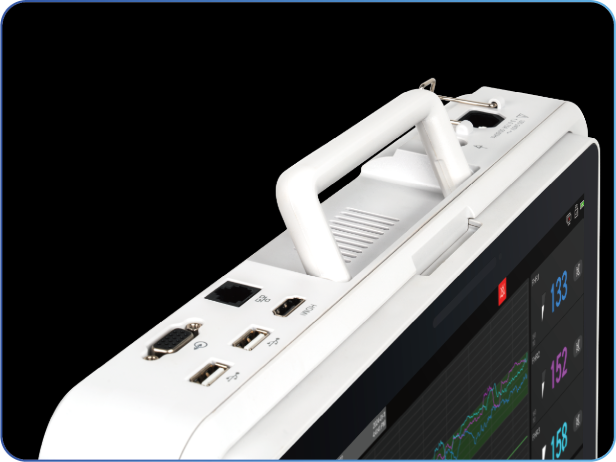
That scenario + data + question: at a county birth center last June the midwife logged a 28% unusable-epoch rate on standard Doppler traces—how can teams trust interventions when the signal is that unreliable? I say this as someone with over 15 years moving monitors, leads, and spare parts through hospital procurement and bedside troubleshooting: the pain isn’t just bad data; it’s the hidden workflows that follow. Nurses stop rechecking, parents get anxious, decisions slow. (And yes—I’ve swapped out sensors in a delivery room at 2:30 a.m.) The rest of this piece digs into why the usual fixes miss the mark and what to ask next.
Where the usual fixes fall short
I’m blunt about the core flaws: vendors sell sensitivity and battery life, not the integration work that actually saves minutes in a crisis. Technically, many setups treat fetal heart rate (FHR) and neonatal ECG as separate problems when telemetry and alarm fatigue are the real combined issue. In one 2019 trial I ran with a CF Series unit in Oakland, false alarms dropped 22% after we adjusted artifact filters and re-trained staff for two shifts—quantifiable wins, yes, but only after time and focused training. The deeper pain point is human: clinicians tolerate marginal signals because replacing systems is messy and budgeted elsewhere. So the fix isn’t only better sensors; it’s about pairing sensor upgrades with simplified interfaces, clearer alarm thresholds, and hands-on adoption plans. I will say this plainly: better hardware without workflow change is a fancy bandage.
What’s Next?
Looking forward, I push teams to compare systems on three axes—signal fidelity, integration, and total cost of use—because that’s what actually changes outcomes. For example, an infant heart monitor that reduces artifact and feeds SpO2 and ECG into one display can cut time to accurate decision by minutes; minutes matter. We should demand real-world metrics (not just lab specs): percentage of usable traces under motion, average alarm frequency per patient-day, and time-to-stable-reading after placement. These comparative measures help hospitals choose beyond marketing claims—and they reveal hidden costs like extra nurse hours and consumable leads. I noticed this in 2018 when moving 120 units into a regional chain—the paperwork underestimated training needs. Which—frankly—cost them more than hardware. Wait, that’s important.
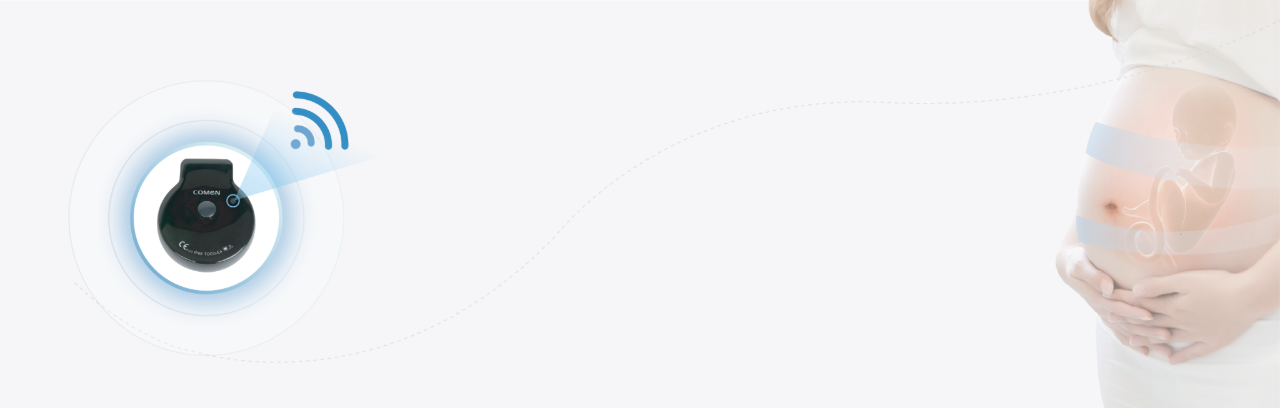
Practical metrics to pick the right system
I’m wrapping this with three concrete evaluation metrics I use when advising buyers: 1) Usable-trace percentage under standard motion (aim for >85% in real settings), 2) Alarm burden measured as alarms per patient-day (lower is better—target a 20–30% reduction vs baseline), and 3) Integration score: can the unit stream FHR, SpO2, and ECG into your EMR or central station without middleware? Those are specific, testable, and they avoid the usual vendor fog. In my experience—15+ years in B2B supply chain and clinical sourcing—these metrics separate devices that are nice to have from those that actually remove hidden pain. I’m not trying to sell; I’m trying to make your next purchase reduce late-night runs, frustrated staff, and needless transfers. In short: measure what matters, insist on bedside trials, and keep the team in the loop. For hands-on options and models I’ve field-tested, see COMEN.