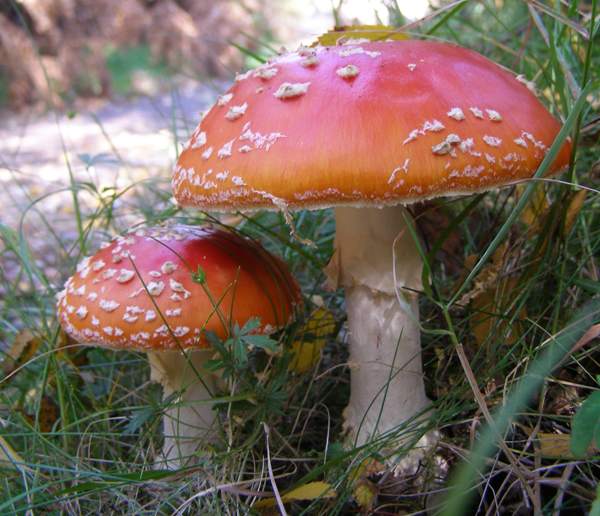
Amanita muscaria, popularly known as the fly agaric, is one of the most visually striking mushrooms found in forests across the Northern Hemisphere amanita muscaria kappen kaufen. With its bright red cap speckled with white spots, it stands out vividly against the greens and browns of its woodland habitat. Beyond its distinctive appearance, this mushroom holds a special place in both natural ecosystems and human culture, symbolizing everything from magic and mystery to danger and transformation.
In nature, Amanita muscaria plays an important ecological role as a mycorrhizal fungus, forming symbiotic relationships with the roots of various trees such as birch, pine, and spruce. This partnership is mutually beneficial, with the mushroom aiding the tree in nutrient absorption while receiving sugars produced by the tree through photosynthesis. This ecological connection highlights the mushroom’s integral role in forest health and nutrient cycles, underscoring that it is more than just a colorful fungus—it’s a vital part of many woodland ecosystems.
Culturally, Amanita muscaria is steeped in symbolism and folklore. Its distinctive appearance has made it a common motif in fairy tales and children’s stories, often depicted as the quintessential “toadstool” where magical creatures live. It is also associated with various myths about transformation, mysticism, and otherworldly experiences. In some cultures, particularly among Siberian tribes, the mushroom was used in shamanic rituals for its psychoactive effects, believed to facilitate communication with the spirit world and other dimensions.
Surprisingly, Amanita muscaria has also influenced modern culture and media. Its image appears in video games, cartoons, holiday decorations, and art, often symbolizing enchantment or a whimsical connection to nature. The mushroom’s cultural reach has expanded far beyond its natural environment, becoming a global icon of fantasy and magic. This widespread representation shows how deeply Amanita muscaria has captured human imagination, blending the boundaries between reality and myth.
Despite its magical associations, Amanita muscaria is not without risks. The mushroom contains toxins that can cause serious illness if ingested improperly. Historically, careful preparation was necessary to reduce its toxicity and harness its psychoactive effects safely. Today, knowledge of these risks is essential for anyone who encounters or studies the mushroom, as misidentification or improper use can lead to poisoning. This dual nature—as a symbol of wonder and a potential hazard—adds to its mystique.
In conclusion, Amanita muscaria is a mushroom that fascinates both nature lovers and cultural historians alike. Its vivid appearance, ecological importance, rich symbolism, and intriguing history of use in human culture make it a unique natural treasure. By appreciating both its beauty and its potential dangers, we gain a fuller understanding of how this mushroom has inspired countless stories and scientific curiosity across centuries.