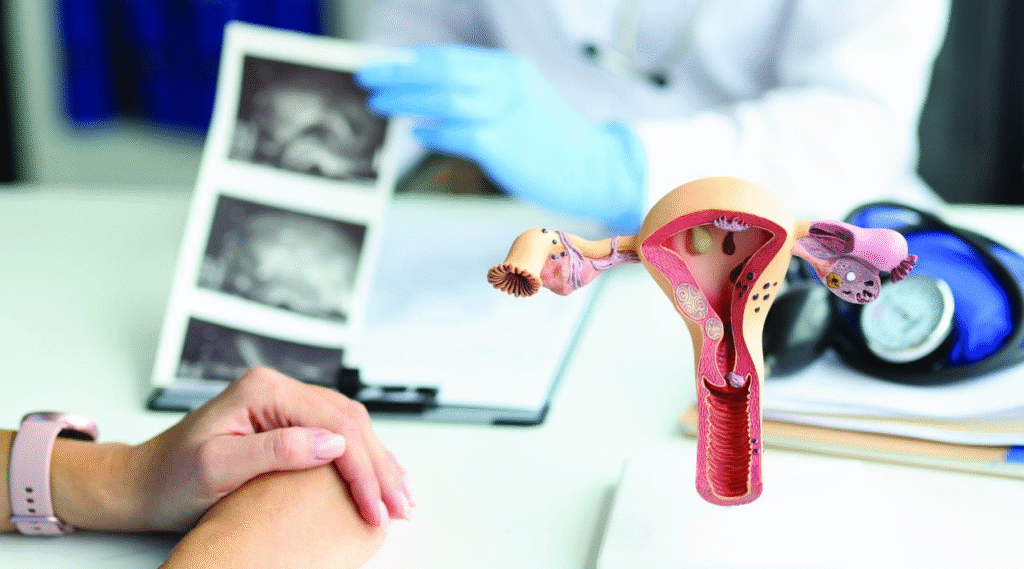
Reproductive medicine has become one of the most transformative fields in modern healthcare, offering solutions to couples and individuals struggling with infertility and reproductive health issues. It encompasses a broad spectrum of medical services 生殖科醫生 aimed at diagnosing and treating problems related to conception and pregnancy. Over the past few decades, innovations such as in vitro fertilization (IVF), genetic screening, and fertility preservation have not only advanced scientific understanding but have also given new hope to people across the world who dream of starting a family.
Infertility, once a deeply stigmatized condition, is now recognized as a common medical concern affecting both men and women. Factors like hormonal imbalances, polycystic ovary syndrome (PCOS), low sperm count, age, lifestyle, and environmental influences can all contribute to difficulties in conceiving. Through reproductive medicine, specialists conduct in-depth assessments, including hormonal evaluations, imaging studies, and semen analysis, to identify the underlying causes. Based on the diagnosis, patients are offered a variety of treatment options tailored to their specific medical and personal needs.
Among the most groundbreaking techniques in reproductive medicine is IVF, where an egg is fertilized by sperm outside the body and then implanted into the uterus. Since its introduction in the late 1970s, IVF has evolved significantly, now incorporating advanced technologies like preimplantation genetic testing (PGT), embryo freezing, and time-lapse embryo monitoring. These improvements have increased success rates and reduced the risks associated with inherited genetic conditions. In addition, fertility preservation through egg or sperm freezing is becoming more common, especially for cancer patients or individuals choosing to delay parenthood.
Another crucial aspect of reproductive medicine is its ability to support diverse family structures. Today, single individuals, LGBTQ+ couples, and those facing unique medical challenges can access treatments through donor eggs, donor sperm, or gestational surrogacy. These options have broken traditional barriers, allowing more people to experience the joy of parenthood. The availability of inclusive fertility services has made reproductive medicine not just a scientific discipline, but a social force helping redefine what it means to build a family in the modern era.
However, despite these advancements, reproductive medicine is not without its challenges. The high cost of treatments remains a major barrier for many, as procedures like IVF are often not covered by health insurance. In addition to financial strain, patients may face emotional and psychological stress during the treatment process, including anxiety, depression, and relationship strain. Ethical and legal issues also persist, especially concerning embryo selection, surrogacy rights, and access to treatment based on gender, age, or marital status. These concerns highlight the need for better policy support and comprehensive care that includes emotional counseling and legal guidance.
Looking to the future, reproductive medicine holds even greater potential with the emergence of new technologies and research. Scientists are exploring artificial gametes, stem cell therapies, and AI-driven embryo analysis, which could revolutionize fertility care. As our understanding of genetics and personalized medicine grows, treatments will become more precise, effective, and accessible. Reproductive medicine continues to be a field where science meets compassion, offering hope to millions and shaping the way families are created for generations to come.