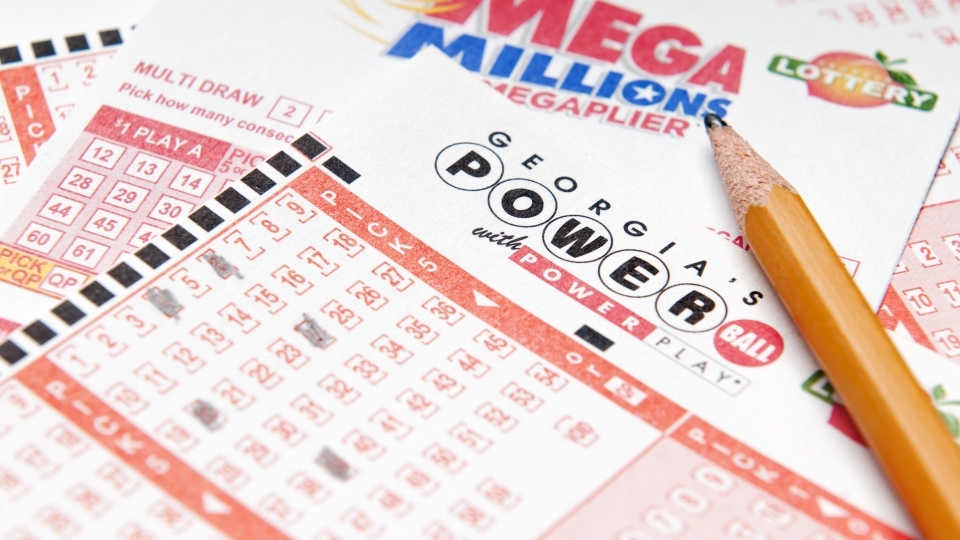
Winning the lottery is often seen as the ultimate stroke of luck, a serendipitous event that can transform an ordinary life into one filled with unimaginable wealth. Lottery players dream of hitting the jackpot, but the question remains: to what หวยออนไลน์ extent can luck influence the outcome of winning the lottery? While some players may believe they can influence their chances through strategies or rituals, the nature of lotteries is inherently random. This article explores the role of luck in winning the lottery and examines whether players can genuinely affect their odds of success.
- Understanding the odds: Luck vs. Strategy
Lotteries are designed to be games of chance, governed by strict mathematical principles. The odds of winning are often astronomical, especially for major lotteries where jackpots can reach hundreds of millions. For instance, the odds of winning the Powerball jackpot are approximately 1 in 292 million. Given these odds, it’s clear that luck plays a significant role in determining the outcome. While some players may attempt to devise strategies-such as selecting frequently drawn numbers or avoiding common combinations-these methods do not alter the fundamental odds of winning. The randomness of the draw means that each ticket has an equal chance, regardless of the numbers chosen or the strategy employed. - The Illusion of Control: Rituals and Superstitions
Despite the randomness of lottery draws, many players engage in rituals or superstitions in the hope of influencing their luck. Common practices include using “lucky” numbers, wearing specific clothing, or even performing certain actions before buying tickets. These rituals provide a sense of control in an otherwise unpredictable game and can enhance the enjoyment of playing. However, it’s essential to recognize that these practices do not change the odds of winning. Psychologically, they may offer comfort and boost confidence, but they are ultimately rooted in belief rather than fact. The allure of luck often leads players to seek patterns or signs, even when the outcomes remain purely random. - The Role of Randomness in Lottery Design
Lotteries are meticulously designed to ensure fairness and randomness, employing sophisticated algorithms and technology to guarantee that each draw is unbiased. Random number generators (RNGs) are commonly used to select winning numbers, further solidifying the principle that luck is the primary determinant of winning. This emphasis on randomness is crucial for maintaining public trust in the lottery system. If players believe that luck and chance govern the outcomes, they are more likely to participate. Consequently, the lottery industry thrives on the notion of luck, creating an environment where players can dream big, knowing that anyone can win, regardless of their background or strategy. - Stories of Luck: When Fortune Strikes
While luck is an undeniable factor in winning the lottery, stories of fortunate winners often circulate, reinforcing the idea that luck can indeed lead to life-altering wins. Many lottery winners report feeling an inexplicable sense of luck or serendipity when they purchased their winning ticket. These stories fuel the belief that luck can be influenced, encouraging others to participate in hopes of experiencing similar fortune. However, it’s essential to recognize that these anecdotes are exceptions rather than the rule. While they inspire and motivate players, they do not change the underlying reality of lottery odds. Most players will not win, underscoring the importance of approaching the lottery with realistic expectations. - Embracing Luck: The importance of Responsible Play
Recognizing the role of luck in the lottery encourages players to adopt a responsible approach to gambling. Understanding that winning is primarily a matter of chance can help mitigate the emotional and financial risks associated with excessive lottery play. Players should set budgets, participate for fun, and view any money spent on tickets as entertainment rather than a means to wealth. By embracing luck as a random variable rather than a controllable factor, players can enjoy the thrill of the lottery while safeguarding their financial well-being. Ultimately, fostering a healthy perspective on luck can enhance the overall lottery experience, allowing players to appreciate the game without becoming overly invested in the outcome.
Conclusion: The Mystique of Luck in the Lottery
The role of luck in winning the lottery is both fascinating and complex. While players may wish they could influence their odds through strategies, rituals, or superstitions, the reality remains that lotteries are games of chance governed by randomness. Recognizing and accepting the role of luck can lead to a more enjoyable and responsible lottery experience. Ultimately, the lottery embodies the excitement of possibility, reminding us that, in the world of chance, anyone can be a winner-even if it’s just for a fleeting moment.