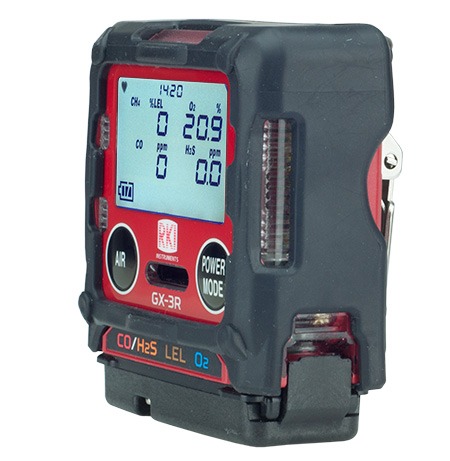
A 4-gas monitor is a vital safety device used in numerous industries to detect and measure the presence of hazardous gases in the environment, particularly in confined spaces where the risk of gas accumulation is significant. This device is specifically designed to co2 tester monitor four critical gases: oxygen (O2), carbon monoxide (CO), hydrogen sulfide (H2S), and combustible gases such as methane or propane. The functionality of these monitors is crucial in safeguarding workers’ health and preventing accidents in potentially dangerous situations.
Oxygen levels are of utmost importance in any work environment. The standard concentration of oxygen in the atmosphere is approximately 20. 9%. If oxygen levels drop below 19. 5%, the atmosphere is considered oxygen-deficient, which can lead to severe health issues, including dizziness, confusion, and even loss of consciousness. Conversely, oxygen levels above 23. 5% can create a fire hazard, as increased oxygen concentration heightens the risk of combustion. A 4-gas monitor continuously tracks oxygen levels, providing real-time alerts when concentrations fall outside the safe range. This functionality allows workers to respond promptly, such as evacuating the area or enhancing ventilation to restore safe conditions.
Carbon monoxide is another significant hazard detected by these monitors. This colorless and odorless gas is produced by the incomplete combustion of fuels like gasoline, natural gas, and propane. Because carbon monoxide cannot be detected by human senses, it poses a serious risk. Exposure to even low levels can cause symptoms such as headaches, nausea, and fatigue, while high concentrations can lead to unconsciousness and death. A 4-gas monitor continuously measures carbon monoxide levels and triggers alarms when concentrations rise to dangerous levels, enabling timely action to prevent poisoning and protect worker safety.
Hydrogen sulfide is a toxic gas commonly found in industries such as oil and gas extraction, mining, and wastewater treatment. At low concentrations, it has a characteristic rotten egg smell, but at higher concentrations, it can cause olfactory fatigue, numbing the sense of smell. Prolonged exposure to hydrogen sulfide can result in severe respiratory issues, eye irritation, and even death. A 4-gas monitor continuously checks hydrogen sulfide levels, providing critical alerts when concentrations reach hazardous levels. This early warning system allows workers to take swift action to avoid exposure and ensure their safety.
Monitoring combustible gases, such as methane, is also a crucial function of a 4-gas monitor. These gases can accumulate in confined spaces, creating a significant risk of explosion. The monitor assesses the concentration of combustible gases relative to their lower explosive limit (LEL), the minimum concentration required for ignition. When levels approach the LEL, the monitor triggers alarms to warn workers, prompting immediate actions to mitigate the risk of fire or explosion.
Modern 4-gas monitors are typically portable, allowing workers to carry them throughout their shifts for continuous monitoring. These devices are built to withstand harsh environmental conditions, ensuring reliability and durability. Most models are equipped with visual, audible, and vibration alarms to notify users immediately when gas levels exceed safe thresholds. Advanced models may also feature data logging capabilities, enabling the tracking of exposure over time and aiding in compliance with safety regulations.
Regular maintenance and calibration of 4-gas monitors are essential to ensure accurate readings. Over time, sensors can degrade, leading to inaccurate measurements. Routine bump tests and calibrations verify that the monitor is functioning correctly and detecting gases accurately. Proper maintenance is critical for protecting workers from gas-related hazards and ensuring overall safety in the workplace.
In summary, a 4-gas monitor is an essential tool for detecting hazardous gases in various industrial settings. By continuously measuring oxygen, carbon monoxide, hydrogen sulfide, and combustible gases, these devices help maintain a safe working environment, enabling timely responses to potential dangers. Regular use and diligent maintenance are crucial for ensuring their effectiveness in preventing gas-related incidents and protecting worker health and safety.