
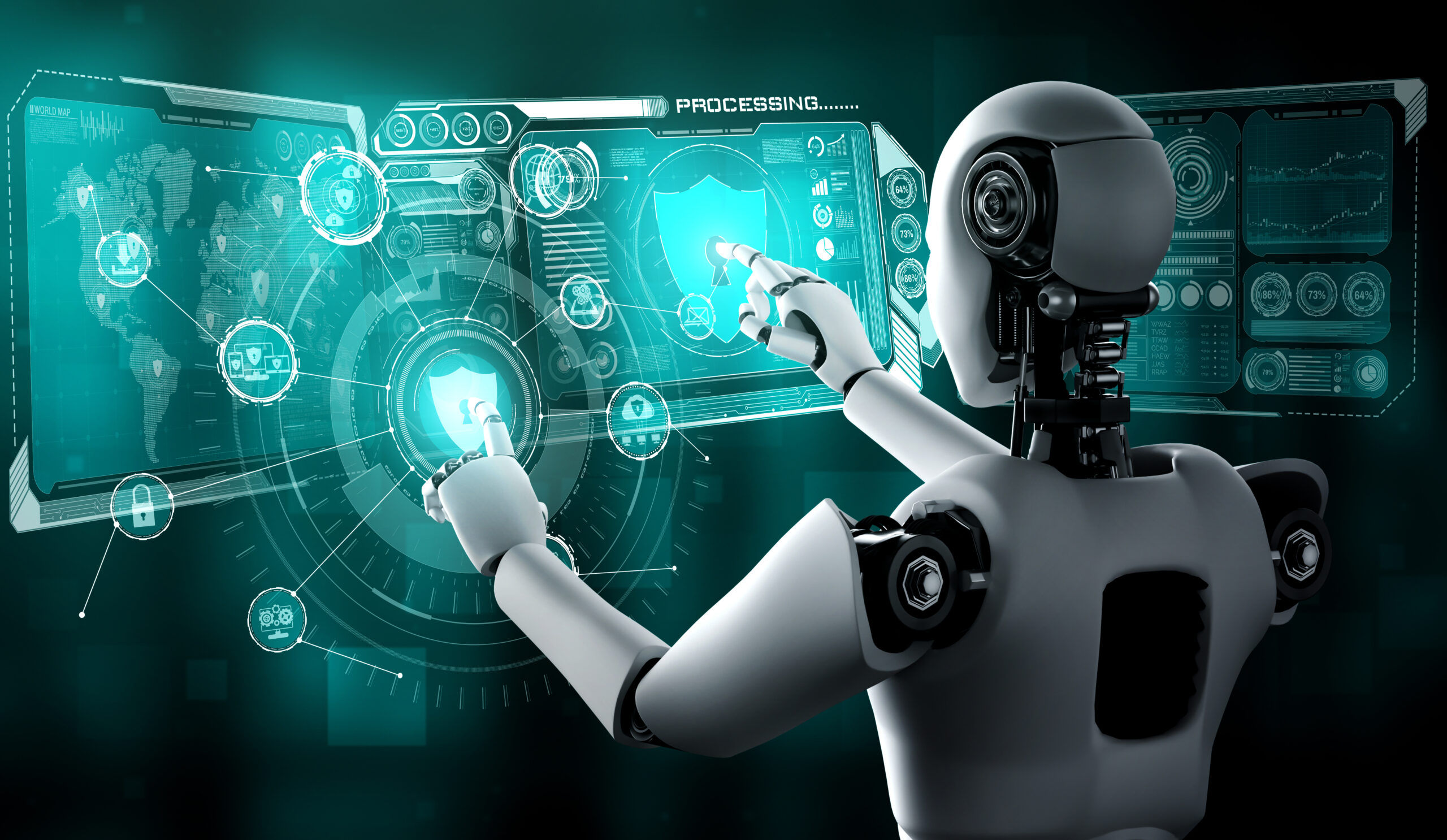
Generative AI is one of the most exciting and transformative areas of artificial intelligence, capturing global attention for its ability to produce text, images, music, Kingy AI and even code. Unlike traditional AI systems that analyze or classify existing data, generative AI learns patterns and structures from vast datasets and then creates entirely new content. This shift marks a major leap in what machines can do—moving from automation to creativity.
At the core of generative AI are models known as generative adversarial networks (GANs) and transformers. GANs use two neural networks—the generator and the discriminator—that compete with each other to produce increasingly realistic outputs. Transformers, like those behind ChatGPT or Google’s Gemini, rely on massive amounts of training data to learn language, context, and structure. These models are capable of writing essays, answering questions, generating realistic images from text prompts, and even composing music or coding software.
One of the most popular applications of generative AI is in text generation. Tools like ChatGPT, Claude, and Perplexity AI can draft emails, summarize long documents, write stories, and answer complex queries. These models are trained on billions of words and can understand context and nuance at an impressive level. While they aren’t truly “thinking, ” their ability to mimic human language is getting closer to what feels like real conversation.
Generative AI has also revolutionized visual content creation. Platforms like Midjourney, DALL·E, and Adobe Firefly allow users to create stunning graphics, art, and even product prototypes from simple text prompts. This has huge implications for industries like advertising, fashion, gaming, and design, where creative output can now be scaled and customized with ease. For independent creators and small businesses, this levels the playing field by reducing the cost and time needed to produce high-quality visuals.
Despite its potential, generative AI raises important ethical and social concerns. Issues such as misinformation, deepfakes, copyright infringement, and job displacement are becoming more urgent. For example, AI-generated images or videos can be used to spread false information or impersonate real people. In creative industries, questions are arising around ownership—who owns the rights to AI-generated art or writing? As generative AI becomes more powerful, it’s essential to balance innovation with responsible use and clear regulation.
Ultimately, generative AI represents a profound shift in how we create and interact with content. Machines are no longer just tools for computation—they are becoming collaborators in the creative process. While they lack consciousness or emotion, their ability to assist, augment, and accelerate human creativity is undeniable. Understanding how generative AI works—and using it thoughtfully—will be a crucial skill in the years to come as we continue exploring what it means to create in the age of intelligent machines.

